
Seal Ordeal
A simple platformer about bouncing around to collect postcards. Made in Unity for PC and Arcaded cabinet. I worked as a technical and systems designer, alongside my responsibilities as lead programmer. I wore many hats in a small multidisciplinary team of three. This is a game I worked on vocationally during my free time separate from any outside motivators.
My Contributions
-
Technical designer: I took systems designed by the lead designer, working out the fine details of how they'd work and created prototypes of them for review and testing.
-
Systems designer: I designed several systems complimentary to the game's core gameplay such as the level selection and shop systems.
-
Programmer (C#): I further developed and polished prototyped systems into their final forms as well as writing the entire games code base.
-
Technology Researcher: I was head of researching potential technologies, (3rd party tools and assets), to use in the project. As an example, I researched Obi Softbody the technology that powers the game's softbody physics.
-
Technical Assistance: I used my years of Unity experience to provide technical assistance to other team members and headed troubleshooting when problems without an easy fix arose.
-
Particle Artist: Designed and implemented all the game's particle systems.
Project Overview
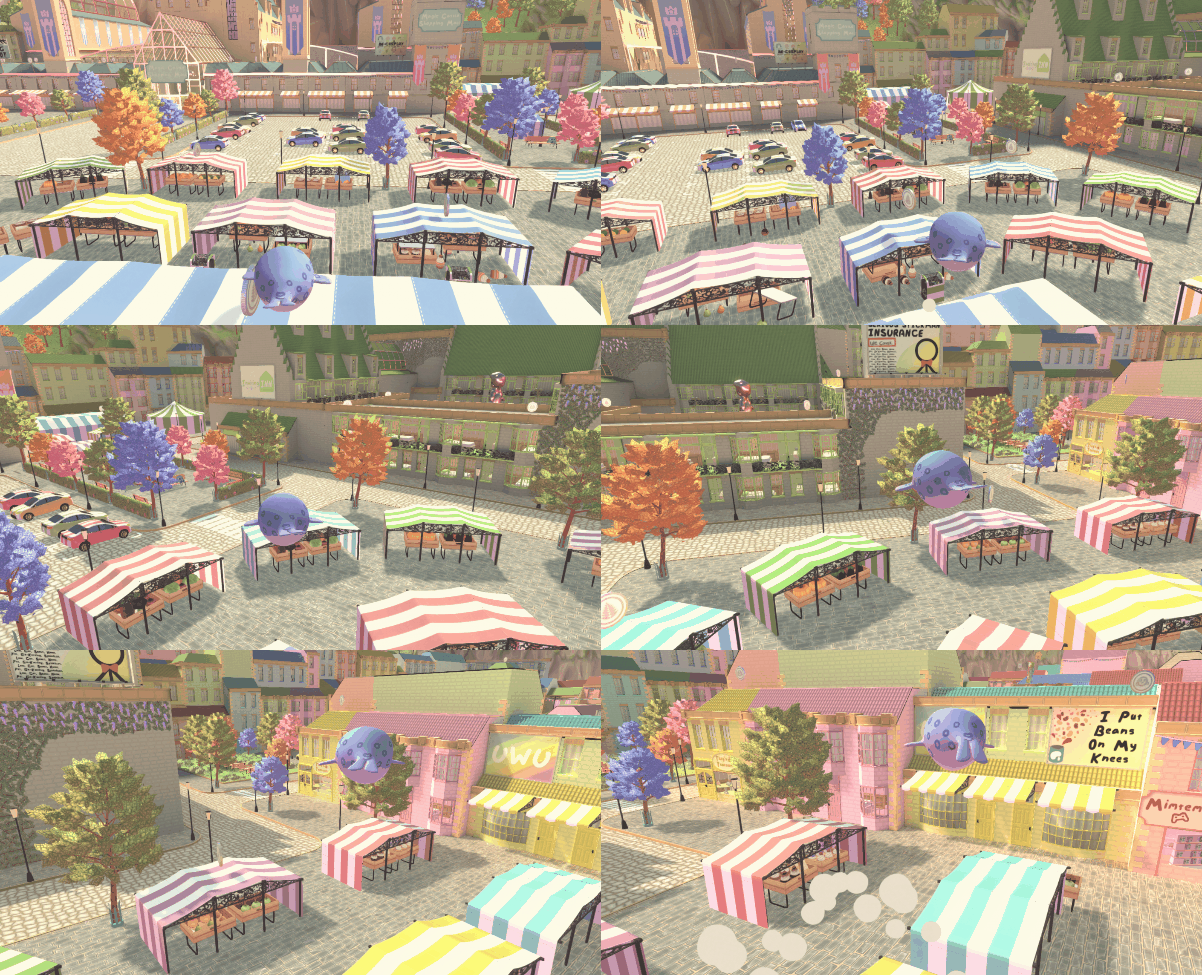
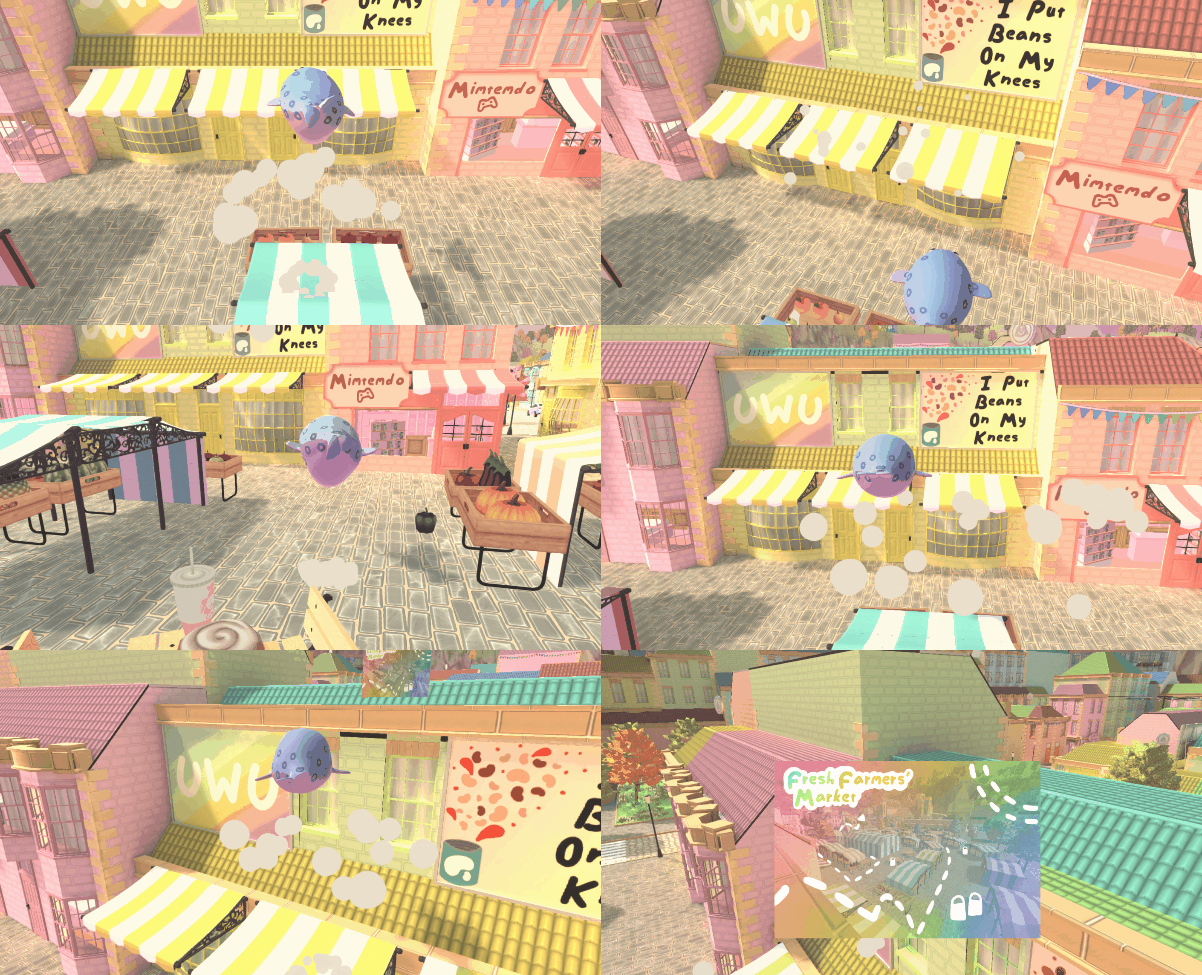
Bounce around as a seal out of water discovering the wonders of the land while searching for postcards hidden by your mischievous Selkie friend.
Bouncy Platforming
Collect-a-thon
Players are motivated to explore the world by postcards scattered throughout the level. They can return them to the friendly selkie character to unlock new whimsical dialogue and learn more about the town.
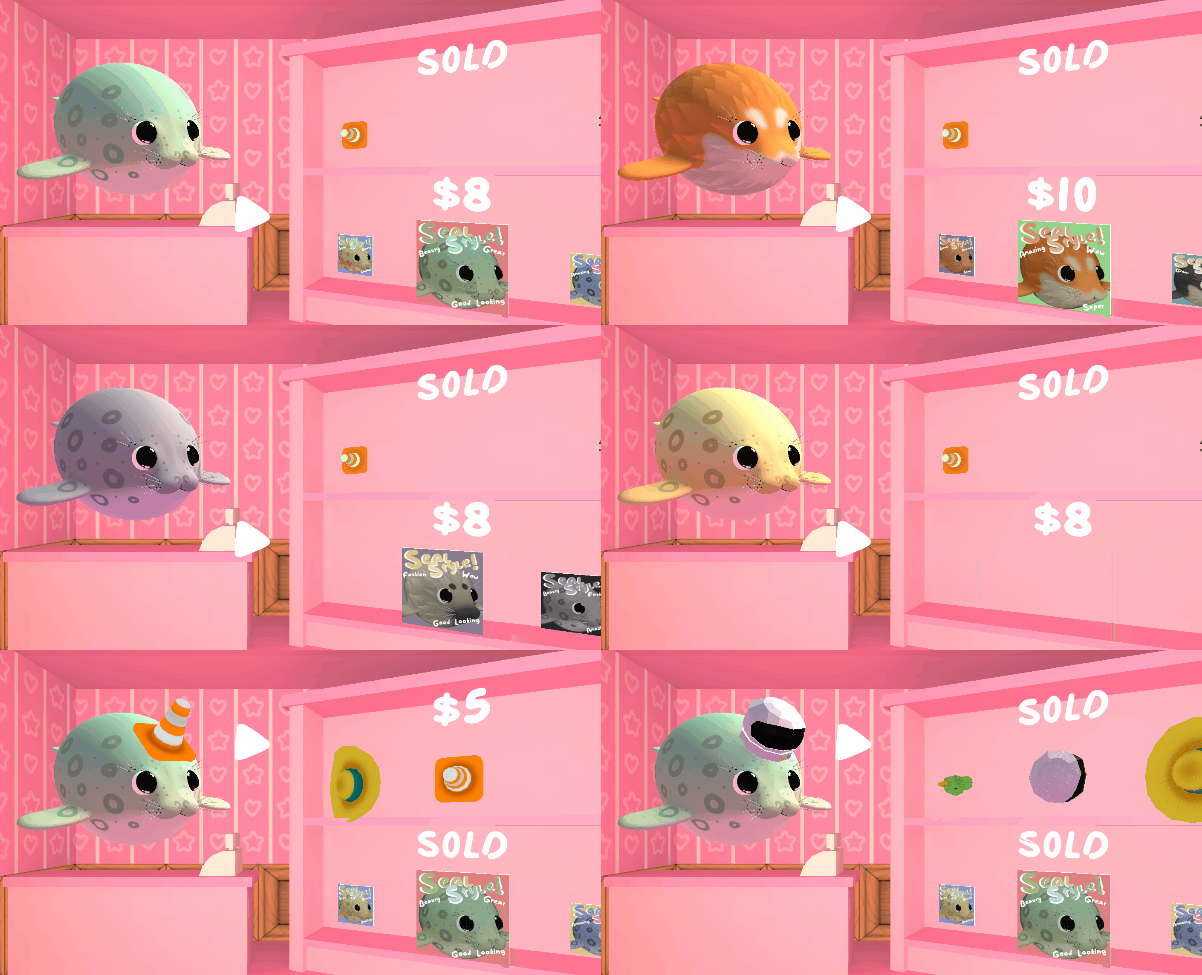
Players can also collect coins to spend in the shop to unlock new hats and skins allowing them to make the player character their own and express themselves.
No failure state
The game is designed with no failure state or no collection requirements, allowing them to enjoy it at their own pace. The levels are designed with the chaotic platforming in mind with all challenges being short to allow players to try again easily.
My Work
Bounce System
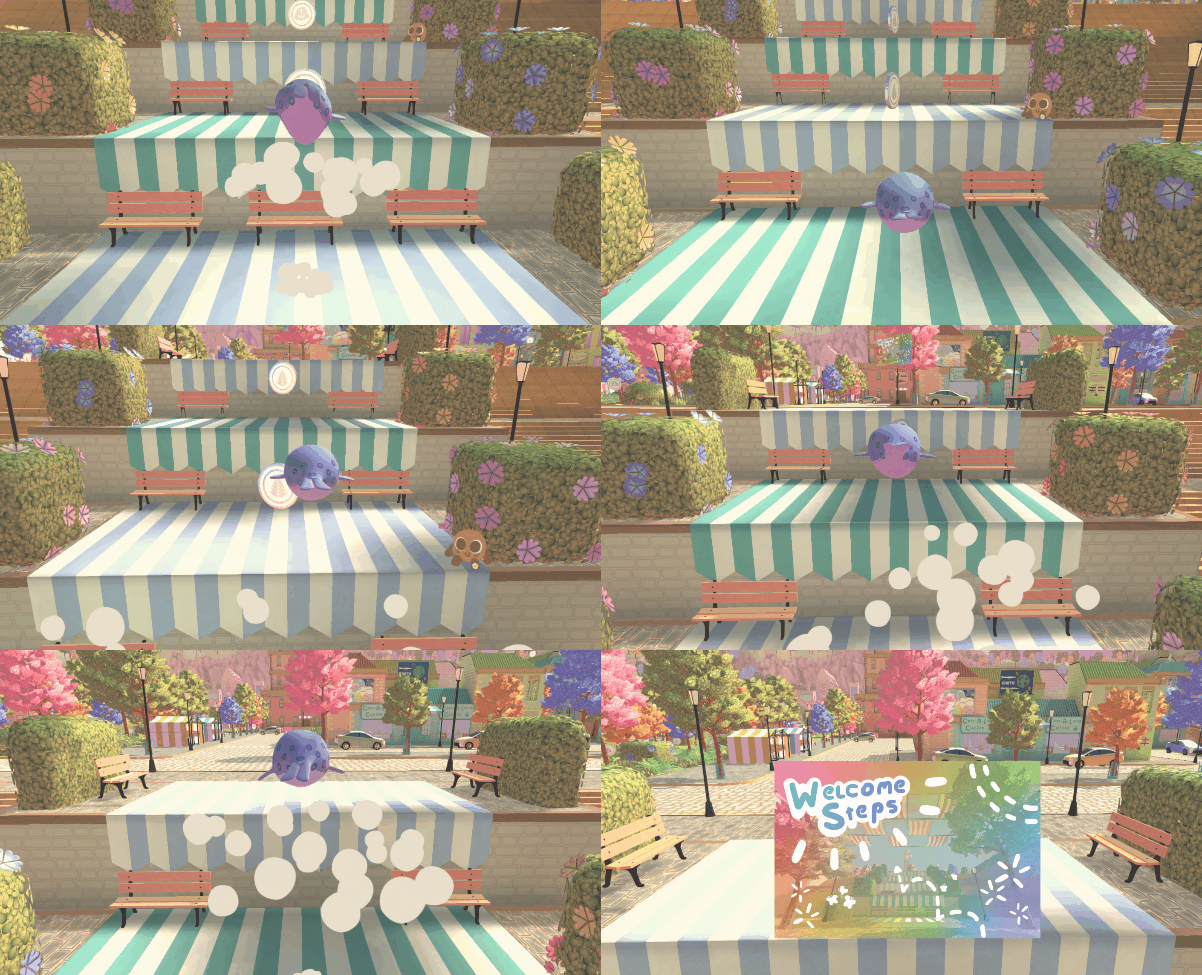
The bounce system was initially driven by softbody physics. While it worked technically, playtesting revealed that players would often have to fight against it for control of the character due to softbodies unpredictable nature. This was frustrating to players putting it at odds with the intended casual player experience.
To solve this, the bounce system pivoted to using rigidbody physics. Opting to only use softbody physics to drive the player characters' reactive animations.

Softbody Bounce Systems

Rigidbody Bounce Systems
Hat System
A key part of Seal Ordeal was allowing players to customize their player character using skins and hats. While skins were as simple as a material swap, hats presented a unique challenge.
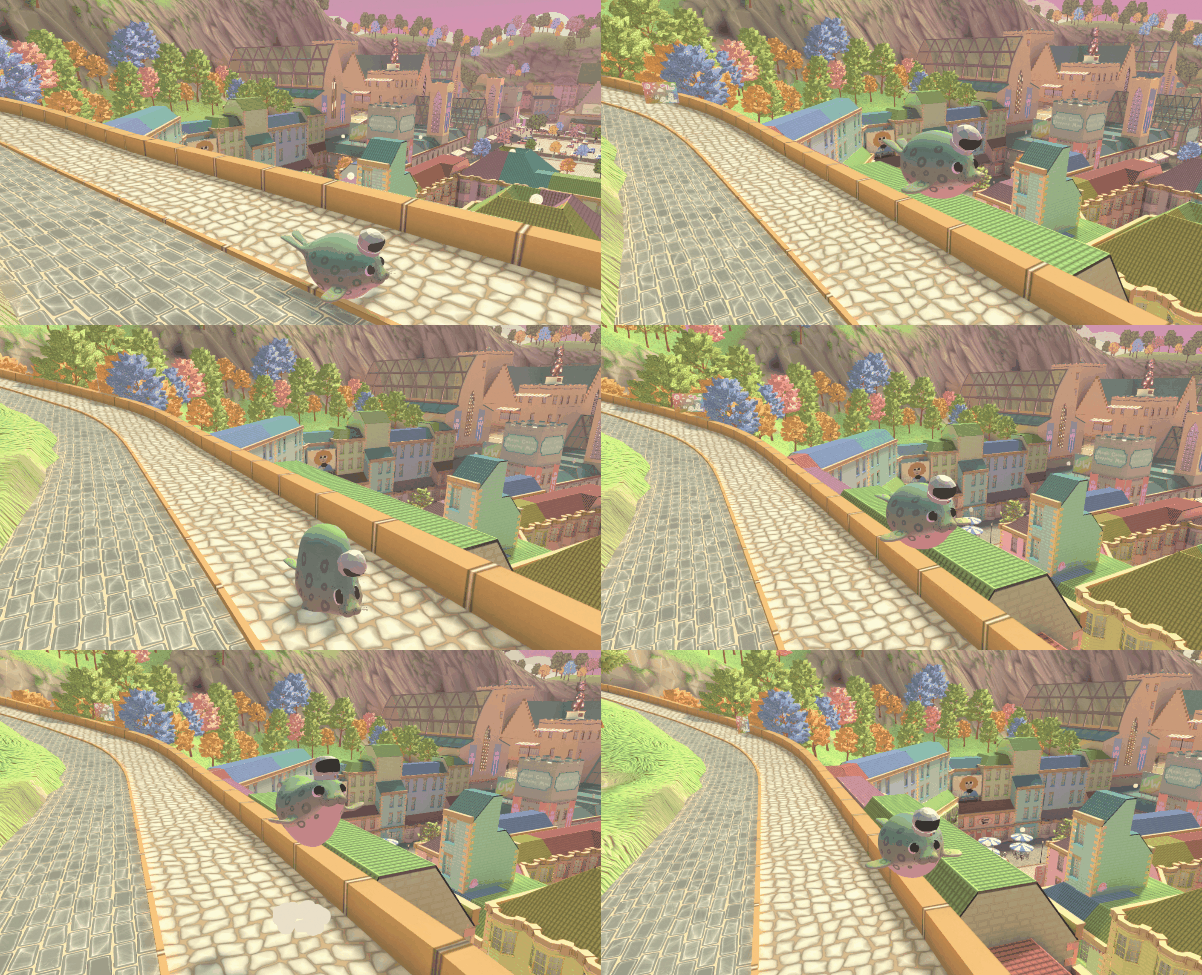
The player animation is driven by softbody physics allowing the mesh to deform on environment interaction. This meant that the hat had to maintain a position relative to the softboides deformation.
I was able to design a solution to this problem by taking advantage of obi-softbodies particle-based mesh system. By setting the position of the hat to a desired particle after the softbodies physics calculation I was able to ensure the hat object maintained its relative position to the particle making it appear it was attached.


Normal
Deformed
Bounceable Surfaces
Bounceable surfaces are surfaces that cause the player to bounce a further or shorter distance compared to normal surfaces. When colliding with a bounceable surface the bounce system gets the surface's normal direction and an attached bounce force. This is used to tell the game which direction to bounce the player based on the normal direction and how far to send them using the force.

Building for Arcade
Building the game for the arcade cabernet was an interesting challenge that affected the game's design from the outset.
One such challenge was keeping the number of inputs as low as possible due to the cabinet's limited input options. I also had to implement various performance improvements to make the game playable on the lower-end cabinet hardware.

